Finding the right buyer for an aging, damaged, or non-running automobile becomes a priority when regular maintenance costs outpace the practical value of the car. The central question for most owners is clear: where can I sell a junk car without losing time to unverified buyers, complicated logistics, or unexpected towing fees?
The most effective option depends on the vehicle’s roadworthiness, mechanical completeness, and how quickly you want to complete the transaction. Most vehicle owners choose between dedicated local junk car buyers, auto salvage facilities, private vehicle sales, or dealership trade-ins.
Each option serves a different situation. Understanding how these buyers evaluate vehicles allows you to pick the right path, protect your legal ownership status, and turn an idle automobile into immediate cash.
1. Direct Local Junk Car Buyers
Specialized local junk car purchasing services focus exclusively on end-of-life, collision-damaged, high-mileage, or entirely disabled vehicles. They evaluate cars through a dual assessment: the market value of functional replacement parts and the underlying commodity scrap metal weight.
How the Transaction Works
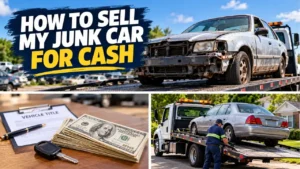
The process typically starts with a short phone call or an online evaluation form where you share the vehicle’s year, make, model, general mechanical condition, and title availability. Once you accept an agreed quote, the buyer dispatches a tow truck to your address, verifies ownership on the spot, completes the title transfer, and hands over payment before winching the car onto the flatbed.
Primary Benefits
- Included Flatbed Towing: Reputable direct buyers supply complimentary towing as an integral part of their service package, eliminating private transport expenses.
- Rapid Turnaround: Most direct transactions wrap up within twenty-four to forty-eight hours, which is particularly helpful if local municipal codes or homeowners associations require prompt vehicle removal.
- Guaranteed As-Is Purchasing: Because these operations routinely process broken components, frame damage, and inoperable drivetrains, you do not need to wash the vehicle or perform minor repairs before selling.
For residents in Dearborn Heights and surrounding Detroit-area communities, local services such as Moe’s Cash for Junk Cars (based at 25350 Ramey St, Dearborn Heights, MI 48127) offer this direct model, coordinating same-day or scheduled pickups, on-site title documentation, and immediate payment at the curb.
2. Auto Salvage Yards and Licensed Auto Wreckers
Auto wreckers and scrap processors handle the industrial dismantling of end-of-life motor vehicles. Their business model centers on dismantling cars down to raw components, safely containing hazardous automotive fluids, and compacting the residual steel structure for metal recycling mills.
How Valuation Works
Salvage yards calculate payout offers using the vehicle’s curb weight and prevailing commodity pricing for steel, iron, and non-ferrous metals like aluminum and copper. They also factor in high-recovery items such as original factory catalytic converters, which contain platinum, palladium, and rhodium.
When to Consider a Salvage Yard
- Heavily Compromised Vehicles: Cars with severe collision damage, flooded electronics, rusted-out rocker panels, or catastrophic powertrain failures fit this channel naturally.
- Direct Disposal: Dealing straight with the processing yard avoids intermediate listing steps.
Important Practical Considerations
- Delivery Expectations: Many commercial yards price their quotes on the condition that you deliver the car to their facility scale. If the vehicle does not drive, be sure to ask whether their company offers flatbed pickup and whether towing charges are deducted from the final payout.
- Aesthetic Disregard: Paint quality, interior cleanliness, and recent tire replacements rarely shift a salvage yard’s quote, as value is anchored almost strictly to tonnage and core components.
3. Private Buyers and Community Marketplaces
Selling an automobile privately through local classified platforms remains a viable alternative under specific mechanical circumstances and here is the official website.
When a Private Sale Is Practical
A private sale makes sense if your automobile still starts, steers, and drives safely, or if it requires simple, low-cost repairs such as a fresh starter, alternator, or battery. Hobbyist mechanics and motorists seeking affordable transportation frequently search community listings for economical project cars.
Advantages
- Higher Gross Return: Private buyers evaluate an automobile based on transportation utility rather than scrap weight, meaning they often pay more than commercial metal processors.
Practical Drawbacks
- Active Time Investment: Managing listings requires taking quality photographs, writing descriptions, filtering repetitive messages, and coordinating in-person test drives.
- Logistical Hurdles for Inoperable Cars: If your vehicle cannot move under its own power, private individuals rarely have the trailers or dollies needed to haul it away, which limits your buyer pool.
4. Dealership Trade-Ins
Vehicle owners occasionally explore trading in an older vehicle when purchasing a replacement from a dealership.
What to Expect
Traditional dealerships look for vehicles they can recondition for their retail lot or run through wholesale dealer auctions. If an older car exhibits severe rust, warning lights, or mechanical faults, dealers typically provide a minimal trade allowance and resell the vehicle to wholesale auctions or local scrap operations.
When It Makes Sense
A trade-in is primarily useful for personal convenience if you want to complete a new purchase and dispose of an old car in a single visit. However, for vehicles that do not run or hold primarily salvage value, direct junk car buyers almost always provide a simpler, more transparent cash payout.
Key Factors That Influence Your Vehicle’s Cash Value
Understanding how buyers calculate offers ensures your expectations align with current industry realities:
- Curb Weight and Tonnage: Steel and cast iron represent the bulk of any vehicle’s salvage weight. Full-size pickup trucks and large SUVs weigh considerably more than compact hatchbacks, generating higher baseline scrap offers regardless of model year.
- Drivetrain Viability: An engine that turns over or a transmission that engages smoothly adds functional value. Reusable mechanical assemblies can be cleaned, inspected, and resold on used auto part exchanges.
- Completeness of Core Assemblies: A vehicle missing its factory catalytic converter, battery, wheels, or radiator yields a noticeably lower offer because those items represent high-margin recyclables that offset processing labor.
- Ownership Documentation: A clean title matching the seller’s identification ensures immediate, uncomplicated processing. Vehicles with title complications require additional administrative checks that can affect final pricing.
Step-by-Step Guide to Completing the Sale
Taking a few organized steps before the tow truck arrives helps ensure a smooth, secure transaction.
Step 1: Document Details (VIN, mileage, mechanical faults, complete parts)
Step 2: Collect Proof of Ownership (Vehicle title with no active liens)
Step 3: Secure Upfront Quotes (Confirm free towing and locked-in payout)
Step 4: Clear Personal Items (Check glove box, console, trunk, under seats)
Step 5: Finalize Paperwork (Sign title transfer, remove plates, collect payment)
1. Document Vehicle Details Accurately
Before requesting quotes, record the exact year, make, model, approximate mileage, and Vehicle Identification Number (VIN). Be candid about mechanical issues, missing components, or body damage. Accurate descriptions prevent discrepancies when the tow operator arrives to complete the purchase.
2. Verify Your Ownership Documents
Locate your vehicle’s physical title. Confirm that your legal name appears on the front and verify that any prior financing liens have been released with official documentation. If the title is misplaced, contact your state’s motor vehicle agency to file for an expedited duplicate certificate. In certain jurisdictions like Michigan, licensed salvage operators can process older vehicles using specific alternative ownership verifications, but checking requirements beforehand is always recommended.
3. Clear Out Personal Belongings
Vehicles collect personal items over years of daily use. Before the tow truck arrives, perform a thorough sweep:
- Check the center console, glove compartment, and door pockets.
- Look beneath the front seat rails and under rear floor mats.
- Inspect the trunk, spare tire compartment, and side storage pockets.
- Remove toll transponders, garage door openers, and aftermarket accessories.
4. Remove License Plates and Cancel Registration
In most states, license plates remain the personal property of the driver and do not convey with the car. Unscrew both plates before the vehicle is winched onto the flatbed. You can transfer them to another automobile or return them to your local branch office.
Finally, contact your insurance company to cancel active coverage, and notify your state licensing bureau of the transfer to formally close your legal responsibility for the vehicle.
Frequently Asked Questions
Can I sell a junk car that does not run at all?
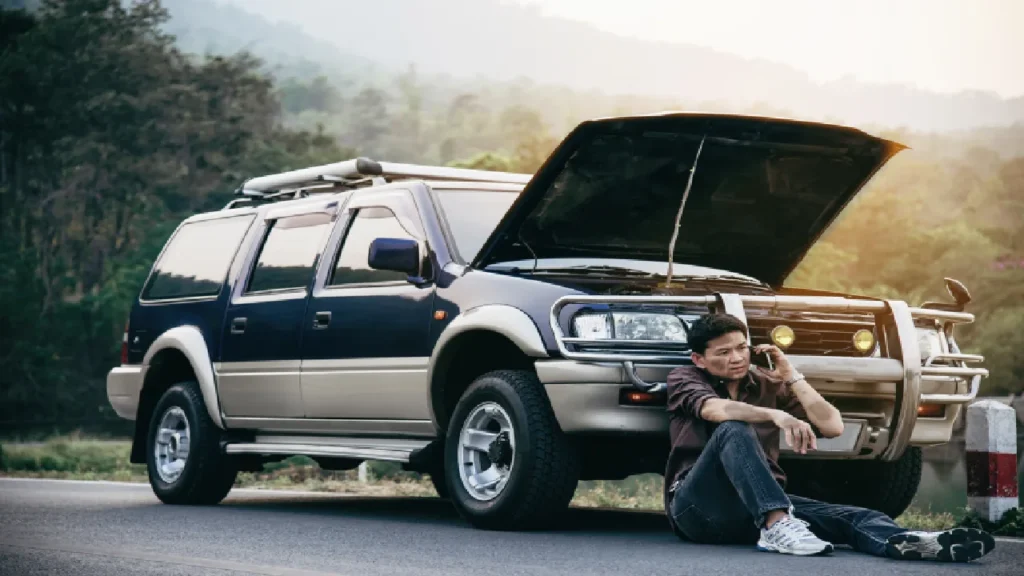
Yes. Professional junk car buyers and salvage yards regularly purchase non-running, mechanical-failure, and accident-damaged vehicles. They utilize flatbeds equipped with industrial winches and dollies to safely extract and load disabled cars from driveways, yards, and garages.
Does a missing catalytic converter affect the payout?
Yes. Factory catalytic converters contain precious metals that form a substantial portion of an end-of-life vehicle’s scrap value. If the converter has been cut out or replaced with an aftermarket pipe, the cash offer will generally reflect that absence. Disclosing this detail upfront ensures an accurate initial quote.
Do I need to be present during the vehicle pickup?
Being present is strongly recommended because you must sign over the title, hand over the vehicle keys, and receive your payment in person. If you cannot attend, some buyers allow you to designate an authorized adult representative with signed documentation and identification.
What should I do if my car is parked in a difficult spot?
If your car is parked in a low-clearance garage, a narrow alley, or on soft unpaved ground, notify the buyer during your initial quote. Dispatchers can select appropriate recovery equipment, such as low-profile wreckers or specialized winching lines, to retrieve the vehicle without damaging surrounding property.
Choosing the Best Path for Your Car
Deciding where can I sell a junk car comes down to balancing vehicle condition against personal convenience. If your automobile runs reliably and you have the time to coordinate messages and test drives, a private sale can deliver the highest gross figure.
However, if you want an immediate, stress-free transaction for an inoperable, damaged, or aging automobile, direct local junk car buyers offer the most dependable balance of clear valuation, free flatbed towing, and instant payment at your door. Gather your documentation, request clear quotes from reputable local operators, and take the first step toward clearing your driveway today.